Life energy, or qi, can take many forms. Everything is essentially energy or qi: our thoughts and feelings, our sympathy and love for someone, the digestion of our food, the blood that flows through our veins, the nervous system that masterfully coordinates all these functions, but also the sun that warms us, the growth and budding of plants and trees, the rotation of the earth within the universe, the wind that blows through our hair, the cold that shrinks everything, the inward flow of plant sap during autumn and winter, nature’s silent wait for spring, the sleep and calming, only to awaken again and grow…
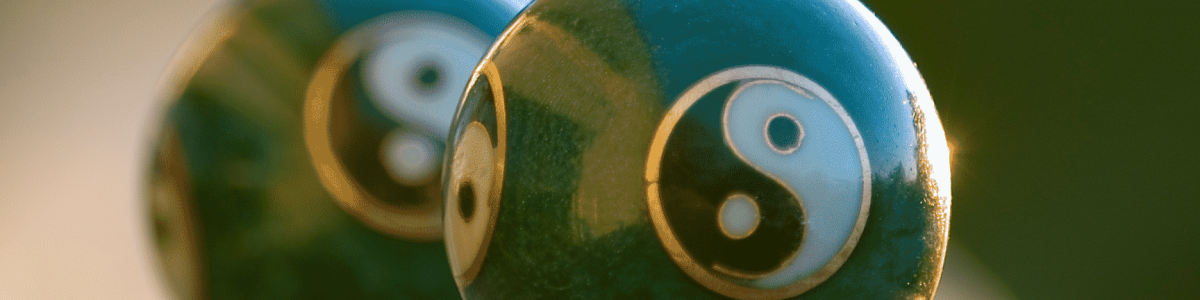
The Chinese call this yin and yang . Everything is energy, but it can be yin or yang with an infinite number of intermediate states.
Yang evokes the sun and an outward movement: there is action, it is daytime, it is warm, everything grows, summer, we come outdoors.
Yin emerges when the sun sets: night falls and darkness descends, there is peace, people sleep, and it gets colder. Winter is yin. The movement of yin is an inward movement: our energy flows inward during sleep to recharge, while the sap of trees and plants returns to the roots during autumn and winter to rest and recharge until spring arrives, when it returns outward.
This infinite interplay between yin and yang is the driving force of life. In health, yin and yang are in balance; yin and yang are in harmony.