Traditional Chinese Medicine

moxa-on-shoulder

Traditional Chinese Medicine (TCM) is a 3,500-year-old holistic healing system that views the human body and mind as one interconnected whole. It emphasizes the free flow of qi (life energy) through meridians, guided by principles like Yin-Yang balance and the Five Elements. TCM aims to restore harmony and vitality through acupuncture, herbal medicine, Tui Na massage, Chinese nutrition, and mindful movement practices such as Qi Gong and Tai Chi.

image1-1-553x400

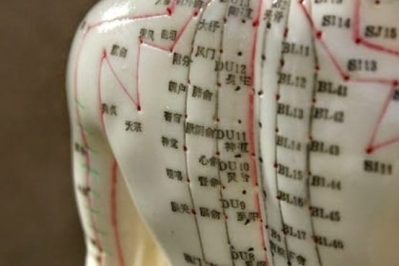
Meridians are invisible energy pathways that connect every part of the body, carrying qi, blood, and vital fluids. When qi flows freely, health thrives; when blocked, illness arises. Each organ has its own meridian, reflecting its internal condition externally. By stimulating meridian points, acupuncture helps regulate this life energy and supports all body systems—circulatory, nervous, lymphatic, and hormonal—creating overall balance and vitality.

565a35_3bf7efbf6e824dee9b0bc75020e53b12~mv2

Acupuncture points are powerful gateways within the meridian network where qi is most accessible. Like rapids in a flowing river, these points are dynamic centers of activity. Stimulating them with fine needles helps release energy blockages, enhance circulation, and restore balance throughout the body. Each point has a unique function and can influence physical, emotional, and energetic well-being, making them essential in promoting health and harmony.

Blog_images_1_4c4a9cd8-1ef2-4cd5-bce1-6218c452f305_480x480

In Chinese medicine, organs are seen as energetic systems with physical and emotional functions. The Lungs support immunity, the Liver ensures smooth energy flow, the Kidneys store vital essence, the Heart governs emotions and mental clarity, and the Spleen powers digestion and nourishment. Each organ interacts with others through its meridian, forming a delicate network that maintains balance. Disharmony in one organ can affect the whole, and acupuncture aims to restore this internal equilibrium.

Yin and Yang symbolize the dual forces that shape all life. Yang represents warmth, activity, and light, while Yin embodies rest, coolness, and nourishment. Health depends on their dynamic balance—when one dominates, illness arises. A skilled acupuncturist interprets symptoms as Yin or Yang in nature to restore harmony. This principle explains everything from sleep and emotions to seasonal rhythms, guiding both diagnosis and treatment in Traditional Chinese Medicine.

chinese-medicine-acupuncture-article-ancestor-banner

Wood, Fire, Earth, Metal, and Water—form another cornerstone of TCM. Each element corresponds to organs, emotions, seasons, colors, and natural movements. Together, they illustrate the interdependence of body and nature. Wood inspires growth, Fire radiates vitality, Earth nurtures stability, Metal refines and cleanses, and Water restores and preserves. Understanding their cycles helps identify imbalances and guide treatment, offering profound insight into health, personality, and natural harmony.